

07 April, 2026
This is Part 2 of a two-part series. Read Part 1 here.
Aligning metrics with business strategy and security objectives
When thoughtfully designed, security metrics do more than track operational activity. They offer a strategic view of how effectively the security function supports the business and enables resilience. A dynamic evaluation framework achieves this by combining strategic alignment with predictive intelligence.
Organizations should begin by focusing on key Information Security Strategic Pillars spanning people, process, and technology domains — which jointly define the maturity and effectiveness of a security program.
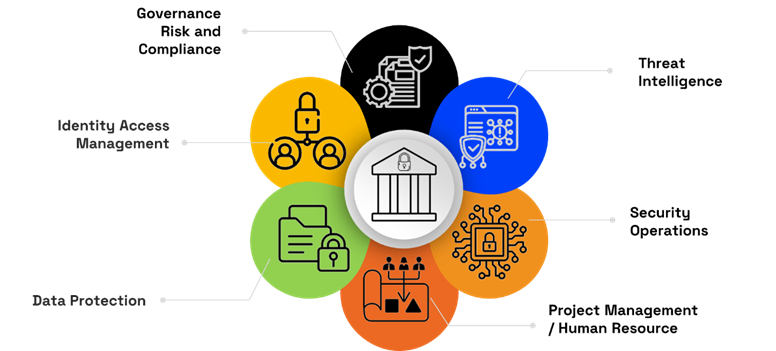
Figure 1: Sample strategic pillars of Information Security
To measure performance holistically, each pillar should be evaluated across three essential metric categories, each answering a key question.
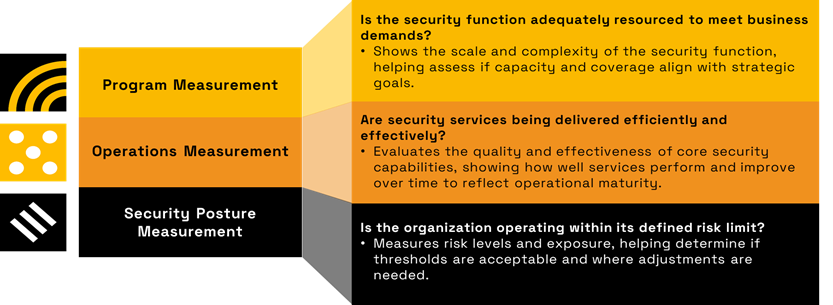
Figure 2: Sample metric categories
For metrics to drive meaningful outcomes, they should follow the SMART framework: specific, measurable, achievable, relevant, and time-bound. This ensures that every metric supports informed decision-making and aligns with the organization's broader strategic goals. Rather than tracking everything, teams should focus on metrics that directly influence business outcomes.
The real differentiator lies in the inclusion of predictive insights. Traditional metrics answer "where we are" — but predictive metrics answer "where we are heading." This can be achieved through:
Predictive insights transform metrics from static indicators into strategic foresight. They allow security leaders to prioritize investments, allocate resources proactively, and communicate risk in terms that resonate with executives and boards.
A well-structured security metrics program is only as valuable as its ability to communicate insights clearly across the organization. Reporting must be contextual and role-specific: executives and boards need a strategic view of resilience and business impact, while operational teams require granular detail for remediation.
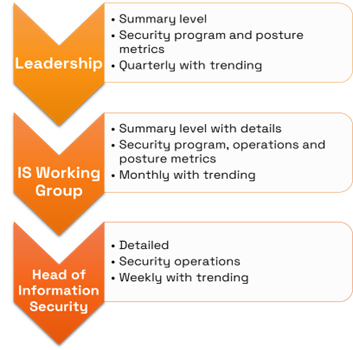
Figure 3: Performance evaluation reporting structure
Adaptive dashboards enable:
By integrating trend analysis, machine learning models, and external threat feeds, dashboards can highlight not only current gaps but also future vulnerabilities. Forecasting SLA breaches or resource shortages, for example, allows leaders to act before risks materialize.
Effective communication of these insights ensures that security is seen as a strategic enabler rather than a technical function. When metrics demonstrate how security investments reduce risk and protect business continuity, they build trust and support informed decision-making across the enterprise.
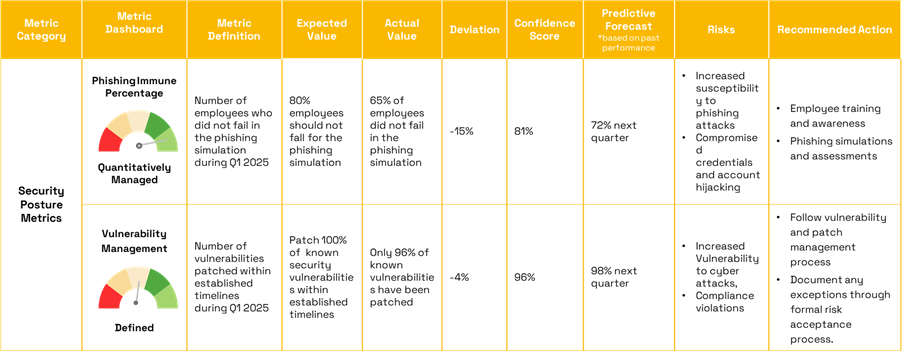
Figure 4: Metrics dashboard for leadership team
The numbers make the case clearly. The State of the UAE Cybersecurity Report highlighted that in 2024, the global average cost of a data breach reached US$4.88 million — while the Middle East recorded nearly double that amount, making it the second highest globally.
A major contributing factor is not the absence of security controls, but the lack of visibility into their effectiveness. Organizations invest heavily in technology and compliance, yet without a structured approach to measure and predict performance, these investments fail to deliver full value.
Dynamic and predictive evaluation addresses this gap by transforming security from a reactive cost center into a strategic enabler. The benefits are measurable:
Implementing a dynamic and predictive evaluation program does not require a complete overhaul of existing processes. Organizations can begin by taking focused, incremental steps that deliver immediate value.
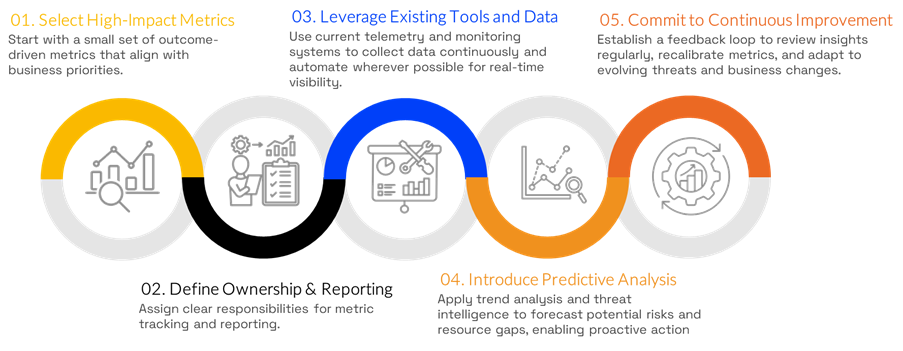
Figure 5: Practical steps to get started
A structured evaluation program lays the foundation for shifting from compliance-driven activities to a performance-focused approach. It strengthens decision-making, enhances operational efficiency, builds regulatory confidence, and fosters trust among stakeholders, enabling well-informed investments that support both security and business objectives.
In today's competitive and threat-driven environment, organizations that embrace dynamic evaluation gain a clear advantage. They move from static compliance to adaptive resilience, ensuring security not only protects value today, but is strategically positioned to deliver greater impact tomorrow.
If you are looking to transform compliance into confidence, we are here to help you take the next step. Get in touch with CPX.

07 April, 2026
Security Performance Measurement: From compliance to confidence –...
Read now
07 April, 2026
Bridging the gap: Integrating secure code review into the DevSecOps
Read now
02 April, 2026
Cyber in hybrid conflict: The new invisible frontline
Read now
30 March, 2026
How to write threat models that engineers actually use for strong...
Read now
27 March, 2026
Cybersecurity Documentation: Best practices for SOC, IR and secur...
Read now
26 March, 2026
The Big Shift: Making cyber agentic AI (CA2) safer – Governance, ...
Read now
10 March, 2026
vCISO vs. Advisory CISO: How to choose the right Trusted Cybersec...
Read now
06 March, 2026
The Big Shift: Demystifying Cyber Agentic AI (CA2)
Read now
25 February, 2026
Identity and Access Management in the age of AI and autonomous ag...
Read now
05 February, 2026
From Reactive to Autonomous: The rise of Agentic AI in cybersecurity
Read now
03 February, 2026
Risk prioritization in today’s evolving cyber threat landscape
Read now
14 January, 2026
Cybersecurity in 2026: Why identity, AI, and trust will define th...
Read now
21 November, 2025
Red Teaming vs. VAPT: Choosing the right test for stronger cyber ...
Read now
13 November, 2025
Compliance isn’t security: The hidden risks of a checkbox approach
Read now
29 October, 2025
GraphQL Abuse: The silent killer in API security
Read now
22 October, 2025
Securing DevOps: A GRC perspective on agility, assurance and secu...
Read now
08 October, 2025
How SOCaaS can power transformation and foster innovation in GCC
Read now
26 September, 2025
Why is red teaming a must for OT systems
Read now

19 September, 2025
UAE cybercrime statistics 2025: Key data and trends
Read now

17 September, 2025
Cyber Risk Management: Qualitative vs. Quantitative Approaches
Read now
10 September, 2025
Why AI-powered SOCs are the future of cyber defense
Read now
03 September, 2025
How AI is transforming cybersecurity and threat detection
Read now

29 August, 2025
AI vs Hackers: Who is winning the cybersecurity arms race
Read now
28 August, 2025
Why every cybersecurity team needs document version control
Read now
27 August, 2025
AI agents in cybersecurity: Your new virtual SOC team
Read now

21 August, 2025
Securing Operational Technology: Challenges and best practices
Read now
17 July, 2025
Red Teaming in cybersecurity: Why thinking like a hacker matters
Read now

21 May, 2025
What is a SCIF? Inside the CPX Secure Compartmented Information F...
Read now
21 April, 2025
Cybersecurity in the UAE: What CISOs must prioritize today
Read now
18 March, 2025
The critical role of trusted advisors in OT cybersecurity
Read now
14 February, 2025
AI Agents: The new arsenal CISOs need
Read now
27 January, 2025
Make your AI work right: A framework for secure and ethical AI
Read now
14 January, 2025
Revolutionizing SOC efficiency: The power of cyber-physical integ...
Read now

20 November, 2024
The Modern CISO Playbook: Top priorities for CISOs in 2025
Read now
30 August, 2024
Ask the Right Questions to Get Data Privacy Compliance Right
Read now

29 December, 2023
Navigating Cyberspace in 2024: A Sneak Peek into the Top Security...
Read now
14 December, 2023
Top systems integration challenges every organization must prepar...
Read now
29 August, 2023
Help ! My Facebook has been hacked
Read now

20 July, 2023
Security Product Research in the Lab: A fair chance to prove your...
Read now

20 July, 2023
The Cyber Security Conundrum: Balancing Ego and Expertise
Read now

20 July, 2023
The Internet Never Forgets
Read now

20 July, 2023
Top Cloud Security Risks and How to Address Them
Read now

20 July, 2023
Why Continuous Education, Training and Awareness are Essential fo...
Read now
02 May, 2023
A 5-Star Partner: Priming Your IT and Security Services for Success.
Read now

02 May, 2023
AI and Cybersecurity: A Tale of Innovation and Protection
Read now

02 May, 2023
How to Select a Secure Cloud Model, One Size Does Not Fit All
Read now

02 May, 2023
Making Sense of Public Ratings in Product Selection Process
Read now

02 May, 2023
Privacy Compliance: A Four-Step Approach
Read now

02 May, 2023
Securing Your Website – Gaining Online Customers’ Trust
Read now
©CPX 2026. All rights reserved. Privacy policy | Terms of use