

07 April, 2026
As organizations become increasingly digitized, information security has shifted from a back-end technical function to a front-line strategic priority. The rapid adoption of cloud, AI, and automation is reshaping the threat landscape—introducing new risks and expanding attack surfaces.
Yet, security performance measurement has not kept pace. Many organizations still rely on compliance checklists and periodic audits. But compliance alone does not prevent breaches—and despite significant investment, the global cost of cyber incidents continues to rise.
This stems from a fundamental flaw: security performance is often judged by effort spent rather than outcomes delivered. Today's dashboards track patch cycles and policy adherence, but they rarely answer the question boards care about: Are we resilient enough to withstand tomorrow's threats? Static measurement creates blind spots. It tells you what happened yesterday, not what will happen tomorrow. In a world of accelerating threats, this approach is no longer sufficient.
Determining the success of an organization's information security program is not just about meeting regulatory requirements. It is about establishing a continuous and adaptive approach to measure effectiveness, identify gaps early, and drive improvement before risks materialize. The critical question is: How can organizations ensure their security program is not only compliant but truly effective in protecting assets, adapting to evolving risks, and supporting business objectives?
A well-established and dynamic security performance evaluation framework is essential to answer this question. It enables organizations to measure, monitor, and improve the effectiveness of security initiatives — transforming operational activities into actionable insights and predictive intelligence that supports informed decision-making across the enterprise.
Traditional security measurement approaches often rely on static indicators such as compliance checklists, periodic audits, and qualitative assessments. While these methods satisfy regulatory requirements, they do not provide real-time visibility or predictive insights — creating blind spots that hinder proactive decision-making.
Global standards such as NIST SP 800-55 Revision 2 and ISO/IEC 27004 emphasize moving beyond qualitative risk descriptions toward quantitative, data-driven metrics that enable continuous monitoring and improvement. This shift transforms security measurement from a retrospective exercise into a proactive capability that supports risk-based decisions and resource optimization.
A dynamic evaluation model introduces adaptability and foresight into security performance management through four key principles:
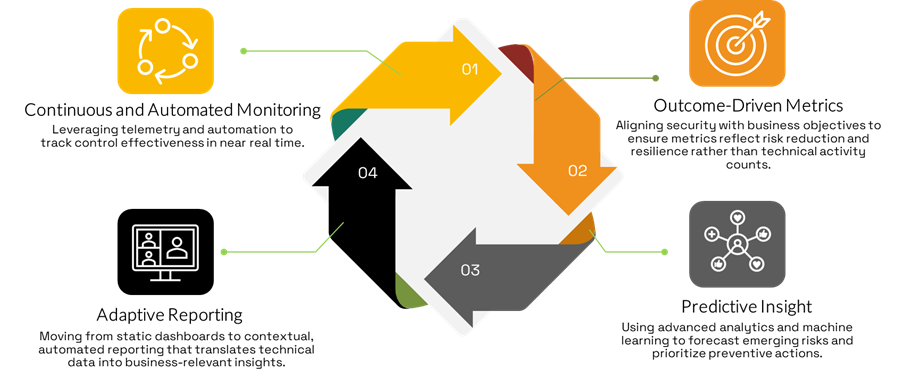
Figure 1: Key principles of dynamic security performance evaluation
Despite the clear benefits of dynamic performance evaluation, many organizations struggle to implement it effectively due to structural and operational challenges that slow progress and create blind spots.
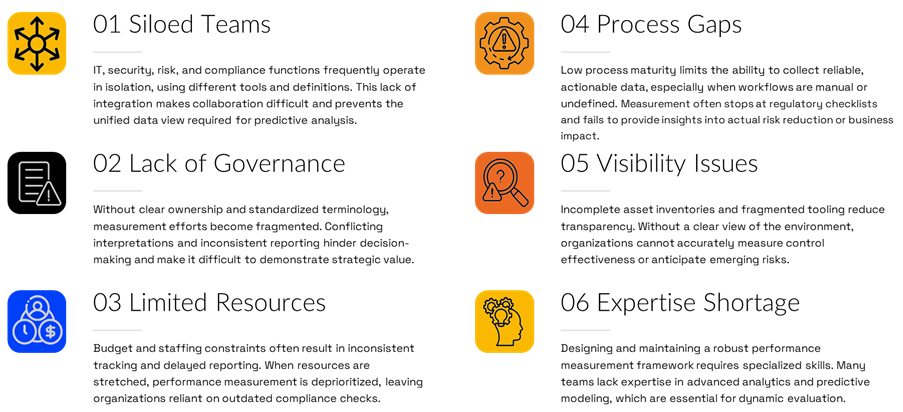
Figure 2: Top challenges in implementing Information Security Performance Evaluation
Overcoming these barriers requires integrated governance, automation, and a clear link between security performance and business objectives — three areas that are explored in detail in Part 2 of this series.
A dynamic evaluation framework does more than collect data. It transforms measurement into a continuous and adaptive process that drives informed decisions and measurable improvement. This integrates real-time monitoring, predictive analytics, and adaptive reporting into daily operations — ensuring that security performance reflects current risk conditions while anticipating future threats.
The lifecycle of a dynamic evaluation program typically includes six stages: Identify What Matters; Define and Validate Metrics; Collect Data Continuously; Analyze, Interpret and Forecast; Report Actionable Insights; and Improve and Adapt.
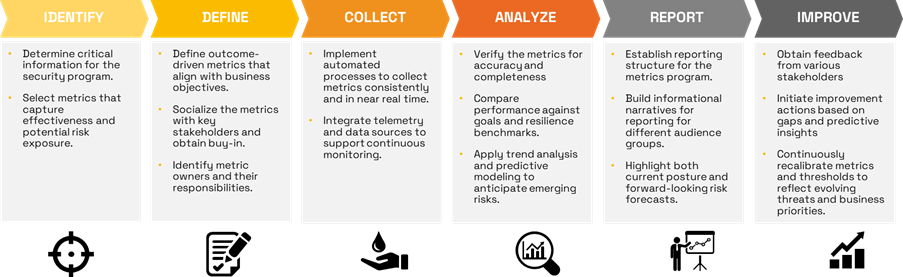
Figure 3: The performance evaluation lifecycle
This model aligns with international standards such as ISO/IEC 27004 and NIST SP 800-55 Revision 2, emphasizing that measurement is an ongoing process linking evidence to action. By adopting a dynamic and predictive approach, organizations move beyond compliance-driven reporting to a proactive framework that strengthens resilience and supports strategic decision-making.
In Part 2, we explore how to align security metrics with business strategy, translate data into actionable insights, and build a practical roadmap for implementation — including why organizations in the Middle East can no longer afford to wait.

07 April, 2026
Security Performance Measurement: From compliance to confidence –...
Read now
07 April, 2026
Bridging the gap: Integrating secure code review into the DevSecOps
Read now
02 April, 2026
Cyber in hybrid conflict: The new invisible frontline
Read now
30 March, 2026
How to write threat models that engineers actually use for strong...
Read now
27 March, 2026
Cybersecurity Documentation: Best practices for SOC, IR and secur...
Read now
26 March, 2026
The Big Shift: Making cyber agentic AI (CA2) safer – Governance, ...
Read now
10 March, 2026
vCISO vs. Advisory CISO: How to choose the right Trusted Cybersec...
Read now
06 March, 2026
The Big Shift: Demystifying Cyber Agentic AI (CA2)
Read now
25 February, 2026
Identity and Access Management in the age of AI and autonomous ag...
Read now
05 February, 2026
From Reactive to Autonomous: The rise of Agentic AI in cybersecurity
Read now
03 February, 2026
Risk prioritization in today’s evolving cyber threat landscape
Read now
14 January, 2026
Cybersecurity in 2026: Why identity, AI, and trust will define th...
Read now
21 November, 2025
Red Teaming vs. VAPT: Choosing the right test for stronger cyber ...
Read now
13 November, 2025
Compliance isn’t security: The hidden risks of a checkbox approach
Read now
29 October, 2025
GraphQL Abuse: The silent killer in API security
Read now
22 October, 2025
Securing DevOps: A GRC perspective on agility, assurance and secu...
Read now
08 October, 2025
How SOCaaS can power transformation and foster innovation in GCC
Read now
26 September, 2025
Why is red teaming a must for OT systems
Read now

19 September, 2025
UAE cybercrime statistics 2025: Key data and trends
Read now

17 September, 2025
Cyber Risk Management: Qualitative vs. Quantitative Approaches
Read now
10 September, 2025
Why AI-powered SOCs are the future of cyber defense
Read now
03 September, 2025
How AI is transforming cybersecurity and threat detection
Read now
29 August, 2025
AI vs Hackers: Who is winning the cybersecurity arms race
Read now
28 August, 2025
Why every cybersecurity team needs document version control
Read now
27 August, 2025
AI agents in cybersecurity: Your new virtual SOC team
Read now

21 August, 2025
Securing Operational Technology: Challenges and best practices
Read now
17 July, 2025
Red Teaming in cybersecurity: Why thinking like a hacker matters
Read now

21 May, 2025
What is a SCIF? Inside the CPX Secure Compartmented Information F...
Read now
21 April, 2025
Cybersecurity in the UAE: What CISOs must prioritize today
Read now
18 March, 2025
The critical role of trusted advisors in OT cybersecurity
Read now
14 February, 2025
AI Agents: The new arsenal CISOs need
Read now
27 January, 2025
Make your AI work right: A framework for secure and ethical AI
Read now
14 January, 2025
Revolutionizing SOC efficiency: The power of cyber-physical integ...
Read now

20 November, 2024
The Modern CISO Playbook: Top priorities for CISOs in 2025
Read now
30 August, 2024
Ask the Right Questions to Get Data Privacy Compliance Right
Read now

29 December, 2023
Navigating Cyberspace in 2024: A Sneak Peek into the Top Security...
Read now
14 December, 2023
Top systems integration challenges every organization must prepar...
Read now

29 August, 2023
Help ! My Facebook has been hacked
Read now

20 July, 2023
Security Product Research in the Lab: A fair chance to prove your...
Read now

20 July, 2023
The Cyber Security Conundrum: Balancing Ego and Expertise
Read now

20 July, 2023
The Internet Never Forgets
Read now

20 July, 2023
Top Cloud Security Risks and How to Address Them
Read now

20 July, 2023
Why Continuous Education, Training and Awareness are Essential fo...
Read now
02 May, 2023
A 5-Star Partner: Priming Your IT and Security Services for Success.
Read now

02 May, 2023
AI and Cybersecurity: A Tale of Innovation and Protection
Read now

02 May, 2023
How to Select a Secure Cloud Model, One Size Does Not Fit All
Read now

02 May, 2023
Making Sense of Public Ratings in Product Selection Process
Read now

02 May, 2023
Privacy Compliance: A Four-Step Approach
Read now

02 May, 2023
Securing Your Website – Gaining Online Customers’ Trust
Read now
©CPX 2026. All rights reserved. Privacy policy | Terms of use