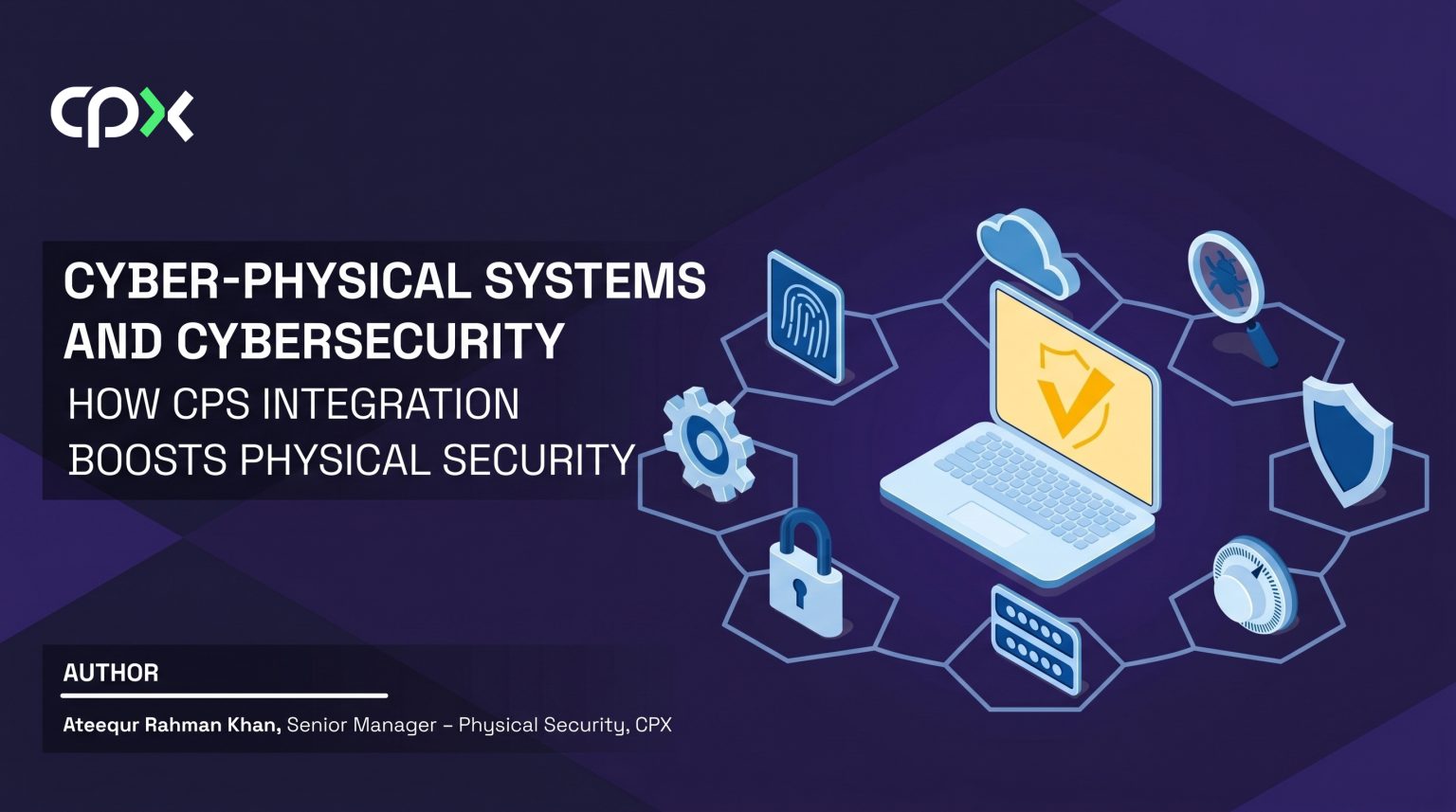
The world is becoming increasingly connected, and at the heart of this transformation are cyber-physical systems (CPS). CPS represent a groundbreaking fusion of physical infrastructure with digital capabilities. This pioneering innovation is revolutionizing industries by seamlessly integrating sensing, computation, control, and networking.
While CPS encompasses a wide array of applications, its synergy with cybersecurity has emerged as a critical aspect in safeguarding physical assets against evolving threats. Let’s delve into how CPS integration fortifies physical security across sectors.
Strengthening military operations: CPS integration aids in boosting physical security in defense by enhancing real-time data acquisition and communication while enabling autonomous systems for surveillance and reconnaissance. Utilizing swarm technology, augmented reality, and unmanned systems, military operations become more efficient and responsive. Moreover, the adoption of novel encryption techniques and blockchain ensures the integrity and confidentiality of sensitive information, countering potential breaches and information warfare.
Securing smart cities infrastructure: Smart cities leverage CPS to optimize infrastructure management across mobility, public safety, energy, and more. By integrating IoT sensors, AI, and connected grids, these systems enhance physical security by enabling real-time monitoring and response to potential threats. Intelligent transportation systems, for instance, facilitate traffic management and emergency response, while demand response programs and renewable energy integration optimize energy grids, ensuring resilience against disruptions and enhancing public safety.
Safeguarding critical infrastructure: The integration of CPS with cybersecurity measures is crucial for protecting critical infrastructure such as energy grids, transportation networks, and industrial facilities. Through encrypted communication systems, real-time monitoring, and AI-driven anomaly detection, vulnerabilities are proactively identified and mitigated, minimizing the risk of cyber-physical attacks. Blockchain technology further provides tamper-resistant data storage, enhancing the integrity of operational processes and ensuring continuous functionality of vital infrastructure.
Enhancing surveillance and emergency response: In both urban and remote areas, CPS integration bolsters physical security by augmenting surveillance and emergency response capabilities. By deploying intelligent systems equipped with advanced sensors and analytics, critical areas are monitored in real-time, enabling swift detection and response to potential threats. Furthermore, CPS facilitates the coordination of emergency services and enhances situational awareness, thereby safeguarding lives and property in times of crisis.
Mitigating risks in industrial settings: Across industrial sectors, CPS integration helps mitigate risks associated with cyber threats and operational disruptions. By implementing security-first design principles, industrial facilities can safeguard critical processes and assets from malicious attacks. Moreover, CPS enables predictive maintenance and asset monitoring, minimizing downtime and ensuring operational continuity in the face of cyber-physical risks.
Conclusion
The integration of cyber-physical systems with robust cybersecurity measures represents a significant step towards enhancing physical security. Leveraging technologies such as encryption, AI, and blockchain allows organizations to fortify their infrastructure against evolving threats, ensuring resilience and continuity in an increasingly interconnected world.